
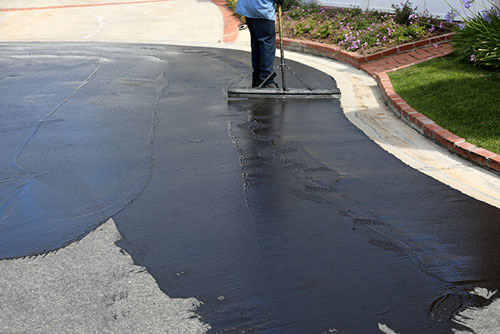
For a rental property, sealcoating every two to three years is one of the cheapest ways to protect the driveway and keep the property looking cared for. The main extra step is coordinating with tenants so cars, kids and pets stay off while it cures.
Why it pays off for owners
- It slows the cracking and fading that lead to costly repairs.
- A sharp black driveway helps with showings and tenant retention.
- Oil stains from tenant vehicles get treated before they damage the asphalt.
Coordinating with tenants
- Give written notice of the date and the two-day parking plan.
- Ask tenants to move every vehicle, including any in the garage, the night before.
- Remind them to turn off sprinklers and keep pets and kids off.
- Send a reminder when the driveway is ready for traffic.
Our sealcoating day prep guide is easy to forward to tenants.
Multi-unit and shared driveways
Shared driveways should be sealed at once so there's no visible line and no unprotected section.
What to put in your tenant notice
- The date and expected work hours.
- When cars need to be moved, and when they can return.
- Where to park in the meantime.
- A reminder to turn off sprinklers and keep pets and kids off.
- Who to call with questions.
Between tenants is a good time
If a unit is turning over, sealing between tenants avoids the parking question entirely and makes the property look sharp for showings. Just make sure the weather cooperates: dry pavement, at least 50°F and rising, and about 24 hours without rain.
Prep, timing and price
Every sealcoating job includes edging, cleaning and oil spot treatment. The season runs late spring through early fall. Most residential driveway sealcoating projects range from $250–$550. Your final price depends on driveway size, surface condition, preparation, and any additional repairs needed. Request a free estimate for pricing specific to your driveway.